
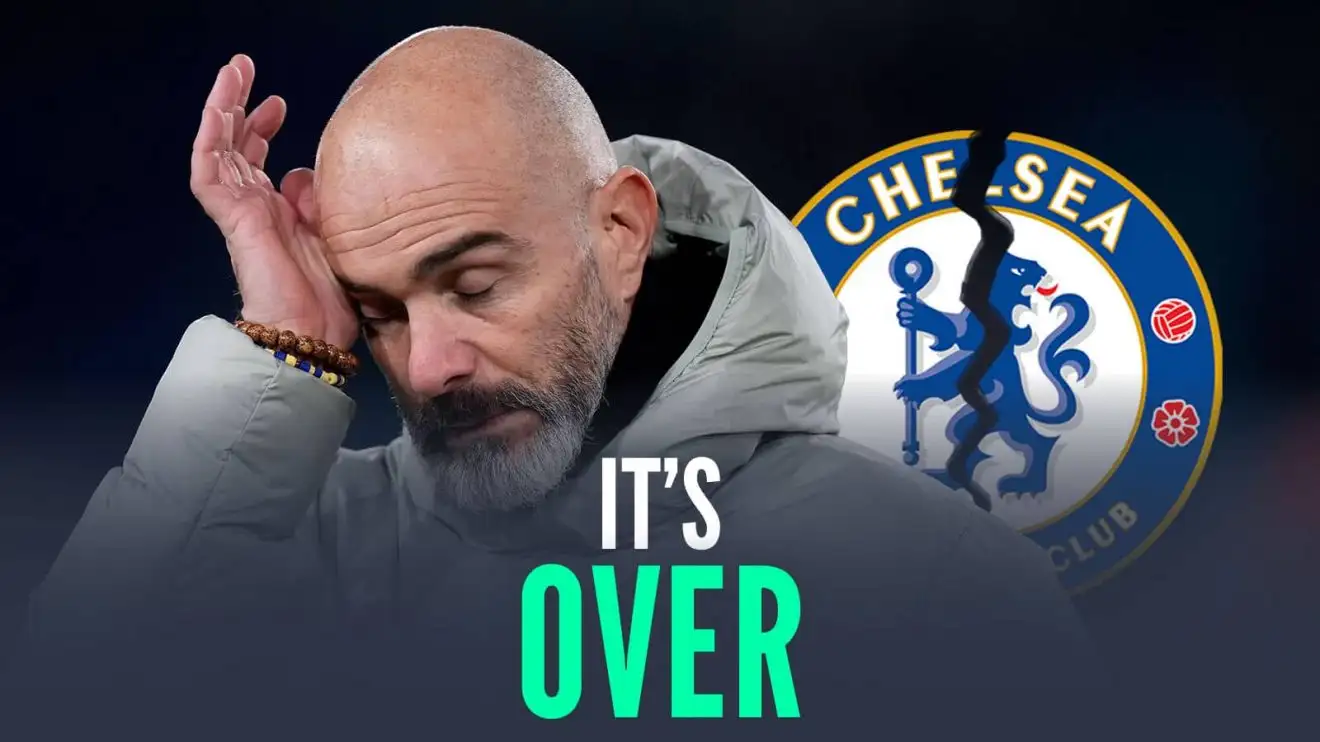
Criticism of recent managerial decisions at Chelsea and Manchester United has intensified, with supporters questioning both the reasoning behind appointments and the direction their clubs are heading.
At Chelsea, frustration has been aimed at the club’s hierarchy following the decision to part ways with Enzo Maresca. Critics argue that the dismissal addressed the wrong problems and reflected a lack of long-term planning at board level. Rather than reacting hastily, many believe Chelsea should have focused on appointing a progressive and proven coach capable of stabilising a young squad. Liam Rosenior has been cited as a benchmark, with several comparable alternatives suggested as more suitable options to guide the club through a necessary rebuild. The overriding sentiment is that Chelsea require clarity, patience, and competence in leadership if they are to restore consistency and credibility on and off the pitch.
Meanwhile, discontent at Manchester United has reached a new level following Ruben Amorim’s struggles at Old Trafford. Supporters have labelled the current period as the club’s lowest point in decades, arguing that even during the post-Sir Alex Ferguson era, standards never fell this far. Historically, United remained competitive in domestic cups and rarely dropped outside the top eight, but recent performances have been marked by alarming defeats and a clear lack of identity. Comparisons with previous managers have only heightened the criticism, with statistics underlining how far current results lag behind past regimes. Amorim’s tactical approach, particularly his preferred formation, has been singled out as ineffective and ill-suited to the squad at his disposal.
Across both clubs, the message from supporters is clear: poor decision-making at the top continues to undermine progress, and without decisive, intelligent leadership, sustained success will remain out of reach.